Central Ohio has a lot of small worlds inside one big map.
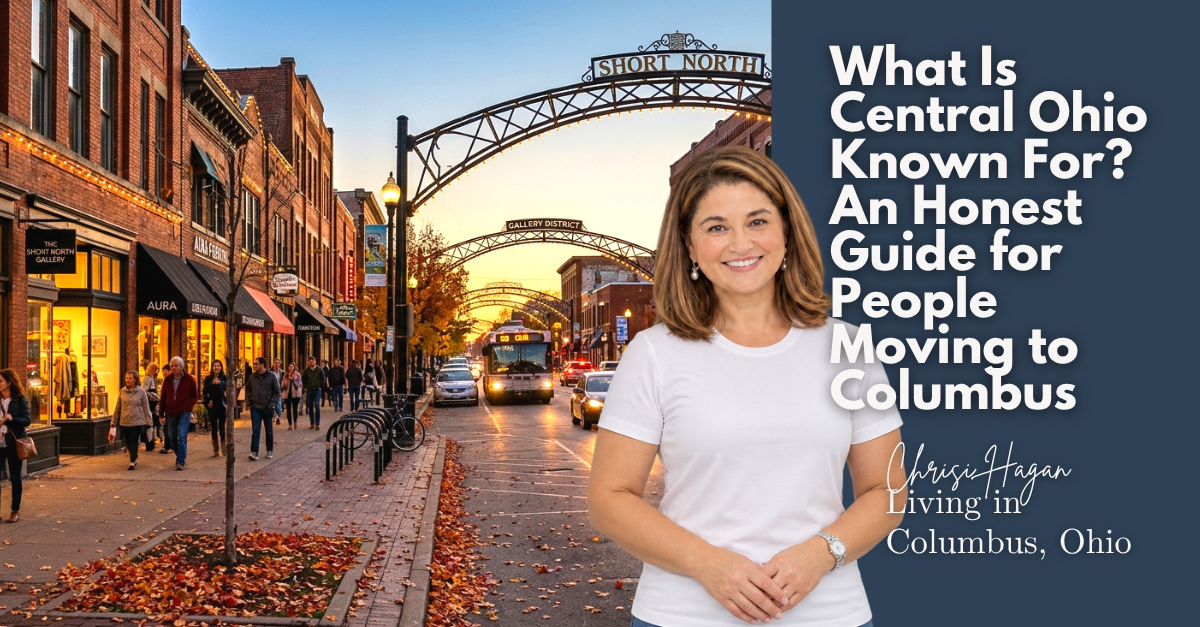
Central Ohio is known for Ohio State, the Short North arts district, German Village, North Market and the Scioto Mile. Here is an honest look at what daily life is like, including the tradeoffs.
Every time someone tells me they are thinking about moving to Columbus, I ask the same question: what do you already know about it?
The answers are usually a short list. Ohio State, maybe. A friend who lives here, maybe. A vague sense that it is a growing city in the middle of the country.
That is a fair start, and it is also an incomplete one. Here is what Central Ohio is known for, what daily life is really like and the tradeoffs worth weighing before you decide.
I would rather you move here with your eyes open, because a good move starts with an honest picture.
What Is Central Ohio Known For?
Start with Ohio State. The university reported total enrollment of 66,901 in its latest enrollment announcement that I reviewed, and it shapes the city's energy, its calendar and its sports culture.
Beyond campus, Experience Columbus highlights a handful of places that come up again and again:
The Short North Arts District, described as the "art and soul" of Columbus.
German Village, a historic district the visitor bureau calls one of the most important in the country.
North Market, a long-running public market that is still operating today.
Franklin Park Conservatory and Botanical Gardens, known for its gardens and glass art by Dale Chihuly.
The Scioto Mile, a downtown riverfront park system covering 253 acres.
COSI, a science center with more than 300 interactive exhibits, and the Columbus Zoo and Aquarium.
The food scene gets its share of praise too. The same visitor guide names Jeni's Splendid Ice Creams in the Short North and a few local foods, including Columbus-style pizza cut into squares and buckeye treats.
What Is It Actually Like to Live Here Day to Day?
Central Ohio is a collection of neighborhoods and towns, each with its own rhythm. The Columbus Region's relocation guide says the Short North has nearly 100 bars, clubs and restaurants along High Street, plus a dozen or more independent galleries, and that its Gallery Hop runs on the first Saturday of each month. Confirm the current schedule before you plan around it.
Sports fill the calendar. According to the same guide, the Blue Jackets play at Nationwide Arena, the Clippers at Huntington Park and the Crew at Lower.com Field. The National Veterans Memorial and Museum sits in Franklinton, and the Ohio Statehouse offers free daily tours.
Outside the core, the suburbs have their own personalities. Uptown Westerville has a State Street main street and a library that houses a local history museum. Dublin's Bridge Park is home to a second North Market location. Weekends tend to revolve around a market, a trail, a game or a long dinner.
If you only have one weekend to visit, here is how I would sketch it: a Saturday morning at North Market, an afternoon at Franklin Park Conservatory or along the Scioto Mile, and an evening on High Street in the Short North. On Sunday, drive out to Uptown Westerville or Dublin's Bridge Park for a very different feel. Two days will not tell you everything, but they will tell you which version of Columbus you would want in your own week.
What Do People Overlook Before They Move?
Here is the honest part.
It is a driving metro. COTA runs 38 fixed bus routes across a 562-square-mile service area, and its COTA//Plus on-demand service covers three zones: Grove City, Westerville and the South Side. Those are real options, but a car is still the easiest way to get around most of Central Ohio, and I would test your commute before you commit.
Winter is real, but moderate. According to NOAA climate normals, Columbus averages 28.2 inches of snow a year. That is less than some Midwest cities and more than some newcomers expect.
Prices vary a lot by town. Resideline's six-month median sold price on its Columbus page was $258,500, while Westerville's was $450,000. Columbus REALTORS reported a regional median of $350,000 in its latest report. City and suburb numbers answer different questions, so match your budget to the part of town you like.
The market moves. Resideline shows a median of 15 days from listing to contract in Columbus, with 6,193 homes for sale, according to Columbus REALTORS. There are choices, and there is also a pace, so be ready to act when you find the right one. If you are coming from out of town, a short list of must-haves and a pre-approval conversation with a lender before you tour will make that much easier.
Where Should You Start Looking If You Are Moving or Rightsizing?
I start with how you want a Saturday to feel, never with who you are. If you love a walkable night out, look at the Short North and German Village. If you picture a small-downtown main street, try Uptown Westerville. If you want a riverside district with a market hall, look at Dublin's Bridge Park.
If you are rightsizing, ask about homes with simpler upkeep and ask early about condos and townhomes, since single-family houses are the majority of closings in many towns. Resideline reports that about 83 percent of tracked closings in Westerville were single-family houses.
What Is a Local Secret Worth Knowing?
Westerville's library houses the Westerville History Museum, in a building that was once the headquarters of the Anti-Saloon League. The town was once nicknamed the "Dry Capital of the World." It is free to walk in during open hours, and it tells you more about the place in an hour than most guidebooks do.
Frequently Asked Questions
What is Columbus, Ohio known for?
Columbus is known for Ohio State University, the Short North Arts District, German Village, North Market, Franklin Park Conservatory, the Scioto Mile and a lively food scene. Ohio State reported total enrollment of 66,901 in its latest announcement I reviewed. Each neighborhood has its own rhythm, so visit a few before deciding.
Do I need a car in Central Ohio?
A car is the easiest way to get around most of Central Ohio, though there are options. COTA runs 38 fixed bus routes over a 562-square-mile service area, and COTA//Plus on-demand service covers Grove City, Westerville and the South Side. Test your commute and daily errands before you choose a home.
How snowy are Columbus winters?
Columbus averages 28.2 inches of snow a year, based on NOAA climate normals for Port Columbus International Airport. That is moderate for the Midwest. Ask about driveways, garages and snow removal when you tour a home, since they affect how winter feels day to day.
What is the median home price in Columbus?
Resideline's six-month median sold price on its Columbus page was $258,500, while Columbus REALTORS reported a Central Ohio median of $350,000. Suburbs run higher, such as $450,000 in Westerville. These numbers use different sources and areas, so compare like with like and ask me for recent sales in the neighborhoods you like.
If you are thinking about moving here, I would love to be your person on the ground. Tell me what a perfect Saturday looks like, and I will help you find the part of Central Ohio where it lives.
This content is provided for informational purposes only and does not constitute legal or financial advice. All real estate services are provided in compliance with Fair Housing laws, RESPA, TCPA, the REALTOR® Code of Ethics, and Ohio Real Estate Commission advertising regulations. Equal Housing Opportunity. Chrisi Hagan, Collins Lassiter Group, Red 1 Realty.