Downtown Columbus: New Developments & Real Estate
Downtown Columbus is in the middle of a major transformation in 2026, with projects like the Merchant Building, The Peninsula, and multiple office-to-residential conversions adding hundreds of new units. For buyers and investors, the key is understanding which sub-areas are gaining the most momentum and how incoming supply affects pricing and long-term value.
What's happening with Downtown Columbus real estate and new developments in 2026?
Downtown Columbus is in the middle of one of its most significant transformation periods in decades. In 2026, landmark projects including the 32-story Merchant Building near North Market, the multi-phase Peninsula riverfront district, and major office-to-residential conversions like Continental Tower are adding hundreds of new units to the urban core. For buyers and investors, the opportunity is real, but so is the nuance. Knowing which sub-areas are gaining momentum, and which announced projects are actually moving forward, is what separates a smart downtown move from a costly one.
The Projects Actually Reshaping Downtown Right Now
When clients ask me about downtown Columbus, I always start with what's actually being built, not just what's been announced. The difference matters more than most people realize.
The Merchant Building: The Biggest Single Investment Downtown Has Seen in Years
Right next to North Market, the Merchant Building is a roughly $430 million, 32-story mixed-use tower expected to open in 2026. It brings 174 rental units, approximately 65,000 square feet of Class A office space, a 206-room luxury boutique hotel, a 350-space parking garage, and expanded market and retail space, all in one project. That's a transformational anchor for the north edge of downtown, and it reinforces the walkability connection between the Arena District, the Short North Arts District, and the Convention Center corridor.
For buyers and investors, what matters here isn't just the building itself. It's what a project at that scale does to the surrounding blocks, more foot traffic, more ground-floor retail, and a higher perceived quality of the neighborhood overall.
The Peninsula: Riverfront Living, Phase by Phase
On the Scioto riverfront, The Peninsula is a multi-phase mixed-use district that already has Phase I complete (delivered September 2023), with office space, residential units, a boutique hotel, dining, and green space. Construction on Phase 1B began in 2025 and is scheduled for completion in 2027, and Phase 2 construction is expected to begin in 2026. This is a years-long build-out that will continue adding residential and mixed-use density along the riverfront through at least the late 2020s.
The lifestyle draw here is significant. Residents in Peninsula-adjacent buildings have direct access to trails, Genoa Park, COSI, and the Scioto Mile, that's a genuine competitive advantage over inland downtown buildings, and it's the kind of amenity that holds long-term value.
Office-to-Residential: The Conversion Wave
Two major conversions are redefining the traditional CBD core. The Continental Tower at 150 E. Gay St., a 26-story 1970s office building, has been converted into a mixed-use residential tower with 409 apartment units. That's a significant addition of downtown residents in a building that was previously pulling foot traffic out of the neighborhood during off-hours.
Meanwhile, the former Two Nationwide Plaza at 280 N. High St. is becoming "The Centennial on High," with 148 apartments across 15 floors (including a new penthouse level) while retaining about 75,000 square feet of office space. First residents are projected to move in by mid-2027. Both conversions reflect a national trend playing out locally: repurposing older office stock to support street-level retail, safety, and nightlife by simply putting more full-time residents downtown.
Columbus Commons and the Capitol Square Area: A More Mixed Picture
Highpoint on Columbus Commons already delivered 301 apartments and about 23,000 square feet of retail on High Street at Columbus Commons, making this a functioning residential pocket today. But the big news in the Capitol Square area is actually a pause: the Capitol Square Renaissance Project, a roughly $600 million development that had proposed more than 1,000 residential units near the Ohio Statehouse, was shelved by the developer in April 2026 due to unfavorable economic and market conditions, despite having received a $33 million state tax credit in late 2025.
That's an important reminder: announced isn't the same as built. For buyers and investors near Capitol Square, the pause actually means less near-term competition from new supply, which has its own implications for existing product in that pocket.
You can get a broader view of the Columbus market context heading into fall 2026 in my June 2026 Columbus Housing Market Update.
What the Numbers Say About Downtown and the Broader Market
According to a neighborhood-level market profile for Downtown Columbus as of May 2026, the median sold price was approximately $377,400, with a notable one-year increase of roughly 29% and a median of around 80 days on market. That longer days-on-market figure reflects the reality of a higher-price, higher-amenity segment where buyers take more time to make decisions. It's neighborhood-level, platform-estimated data rather than an official MLS report, but it gives a useful directional read on where downtown pricing sits.
For context on the broader Central Ohio market, recent local market data shows how suburban areas compare on price and pace:
AreaMedian Sale PriceMedian Days on MarketLewis Center$549,05548Powell$540,00041Dublin$586,00032Westerville$460,00032Delaware$425,00041Upper Arlington$682,50053New Albany$605,00052Orange Township$581,50061
These are area-level medians from aggregated public listing data, trailing roughly 90 days as of September 2026. An individual home's value varies by condition, street, build year, and timing. But the comparison is useful: downtown's lower median reflects a different product mix (mostly apartments and condos, not single-family homes), while suburban areas like Upper Arlington and New Albany are running significantly higher on single-family product.
Regionally, a February 2026 practitioner summary citing Columbus REALTORS® data reported 29,626 closed home sales in the most recent full year, a roughly 3% year-over-year increase, indicating that transaction volume across the metro is still growing even as rates and inventory have shifted. Downtown is capturing a meaningful share of that momentum through new product and amenity investment. And if you're weighing downtown against a suburban move, it's worth reading where newcomers to Central Ohio actually end up living, the comparison often surprises people.
How to Think About Downtown as a Buyer or Investor in 2026
The honest framing for downtown Columbus right now is this: amenities and residents are clearly increasing, but it's a multi-year transition, and the sub-area you pick matters as much as the city name on the address.
Core Downtown vs. Downtown-Adjacent: Not the Same Market
I walk my clients through this distinction every time someone says they want to "buy downtown." The core, Capitol Square, High/Gay/Front corridors, the Peninsula, North Market, is where the marquee projects are landing and where walkability scores are highest. Downtown-adjacent areas like Franklinton (where Starling Yard added 52 units) and the Near East Side often offer different price points and building types, without high-rise HOA structures, but with proximity to downtown amenities. Neither is better, they serve different needs. But conflating them leads to mismatched expectations.
The AllColumbusData development tracker shows projects like The Civic at 145 S. Front St., a mixed-use renovation with about $73.3 million in investment and 100 units, as part of a broader wave of capital flowing into the urban core specifically in 2026. That's a signal, not a guarantee.
Supply Is Real, and It's Concentrated at the Top of the Market
The incoming supply, Merchant Building (174 units), Continental Tower (409 units already converted), The Centennial on High (148 units by mid-2027), plus future Peninsula phases, is largely Class A, amenity-rich rental product. That's important for two reasons. First, if you're buying a condo to rent out, you'll be competing with newly delivered buildings that have rooftop amenities, concierge services, and riverfront views. Second, if you're buying to live in, the presence of high-quality rental product nearby raises the overall quality perception of the neighborhood, which generally supports resale value over time.
The key question for any investor right now is lease-up performance in the newest projects. Watch how quickly the Merchant Building and Continental Tower fill, that tells you more about true demand than any projection.
What to Look for in a Downtown Building
When I'm helping a buyer evaluate a downtown condo or investment unit, the conversation covers a few specifics beyond the unit itself:
Parking situation: Downtown buildings vary widely. Some include dedicated garage parking; others don't. For resale, parking matters more than most buyers initially expect.
Ground-floor activation: Buildings with active retail, restaurants, or market space at street level tend to hold value better because they contribute to the neighborhood's walkability and safety perception.
Green space and trail access: Peninsula-adjacent and Columbus Commons-adjacent buildings have a durable lifestyle advantage that's hard to replicate.
HOA structure and financials: In a condo purchase, the HOA reserve fund and fee history tell you a lot about how well the building is managed. Your title company will handle the closing logistics, and reviewing HOA documents before you're under contract is non-negotiable.
Ohio Residential Property Disclosure: For any condo or residential unit purchase, the seller is required to provide an Ohio Residential Property Disclosure form. Don't skip reviewing it carefully.
Your specific opportunity, whether you're buying to live in, to rent out, or as a longer-term investment, depends on the building, the sub-area, the timing, and your own financial picture. That's exactly the kind of analysis I work through with clients before we ever make an offer.
Frequently Asked Questions
Is 2026 a good time to buy a condo or apartment in Downtown Columbus with all the new supply coming?
It depends on your sub-area and your goals. Some new supply is already delivered (Continental Tower's 409 units), some is opening in 2026 (Merchant Building), and more comes in 2027 (The Centennial on High, Peninsula phases). That means you're buying into a market that's actively improving in amenities and residents, but also one where Class A rental competition is increasing. For a long-term owner-occupant, the trajectory looks favorable. For an investor, watch lease-up performance in the newest buildings before assuming rents will hold at current levels. A conversation with a local agent who knows the specific buildings is the best starting point.
How will projects like the Merchant Building and The Peninsula affect home values and rents downtown?
Major mixed-use projects generally lift the value perception of surrounding blocks by improving walkability, activating street-level retail, and attracting more full-time residents. The Merchant Building's hotel, market expansion, and Class A office component should reinforce the North Market corridor as a premium address. The Peninsula's riverfront phases add lifestyle amenities that are genuinely hard to replicate elsewhere downtown. The offsetting factor is increased rental supply at the top of the market, which could moderate rent growth in older buildings that can't match the new amenity packages.
How is the office-to-apartment trend changing the feel of Downtown Columbus?
Significantly and for the better, in most respects. Converting 1970s office towers like Continental Tower (409 units at 150 E. Gay St.) and Two Nationwide Plaza into residential buildings puts hundreds of full-time residents on blocks that previously emptied out after 5 p.m. That directly supports street-level retail, restaurant viability, and the general sense of safety and activity that makes urban neighborhoods attractive. It's a national trend playing out in Columbus in a meaningful way, and it's one of the more durable structural improvements downtown has seen in years.
Are there still good investment opportunities downtown if Capitol Square Renaissance is on hold?
Yes, and the pause actually creates a near-term dynamic worth understanding. The Capitol Square Renaissance shelving in April 2026 means that the roughly 1,000+ units that were planned for that corridor won't be hitting the market as anticipated. For existing condo and apartment product near Capitol Square, that means less direct competition from new supply in the near term. Investors who buy well-located existing product in that pocket now may benefit from a longer runway before that supply arrives, if it ever does. That said, every investment decision depends on the specific building, price, and your financing picture, so run the numbers with someone who knows this market.
What lifestyle can I expect living in Downtown Columbus in 2026?
Downtown Columbus in 2026 offers genuine urban walkability, with access to North Market, Columbus Commons, the Scioto Mile trails, Arena District venues, and a growing independent restaurant and bar scene, all depending on which building you're in. New mixed-use projects are intentionally integrating ground-floor food and beverage to keep streets active beyond business hours. The riverfront corridor near The Peninsula adds running and biking trails with skyline views. It's a different lifestyle than the suburbs, denser, more walkable, less parking-dependent, and whether it fits you comes down to how you actually want to live day to day.
Downtown Columbus is in a real transition right now, not a hypothetical future one. The buildings are going up, the residents are moving in, and the neighborhood is becoming something meaningfully different than it was five years ago. Whether that creates the right opportunity for you depends on your goals, your timeline, and which block you're actually buying on. That's the conversation I have with every client who asks me about downtown, and I'm happy to have it with you.
Ready to explore what downtown Columbus could mean for your next move? Schedule a consultation and let's look at what's actually available, and what actually makes sense for your situation.
About Chrisi Hagan
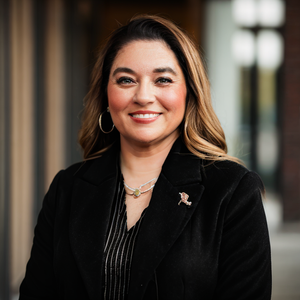
Chrisi Hagan is a REALTOR® with the Collins Lassiter Group at Red 1 Realty, serving Columbus and Central Ohio. Ranked in the top 1% of Columbus MLS agents, she specializes in helping buyers and sellers, including those rightsizing, relocating, and military families, make confident moves across the region.
Equal Housing Opportunity. Chrisi Hagan is licensed as a Real Estate Salesperson in Ohio, regulated by the Ohio Division of Real Estate & Professional Licensing. This article is general information only and does not constitute legal, tax, or financial advice. Confirm your specific costs and transaction details with your title company, tax advisor, or lender.